Feeding your baby is one of the most important parts of early parenting—but it also comes with a lot of questions and concerns.
From choking hazards to food allergies, ensuring your baby’s safety during feeding time is essential. This guide covers baby feeding safety tips every parent should know, helping you feel confident and prepared.
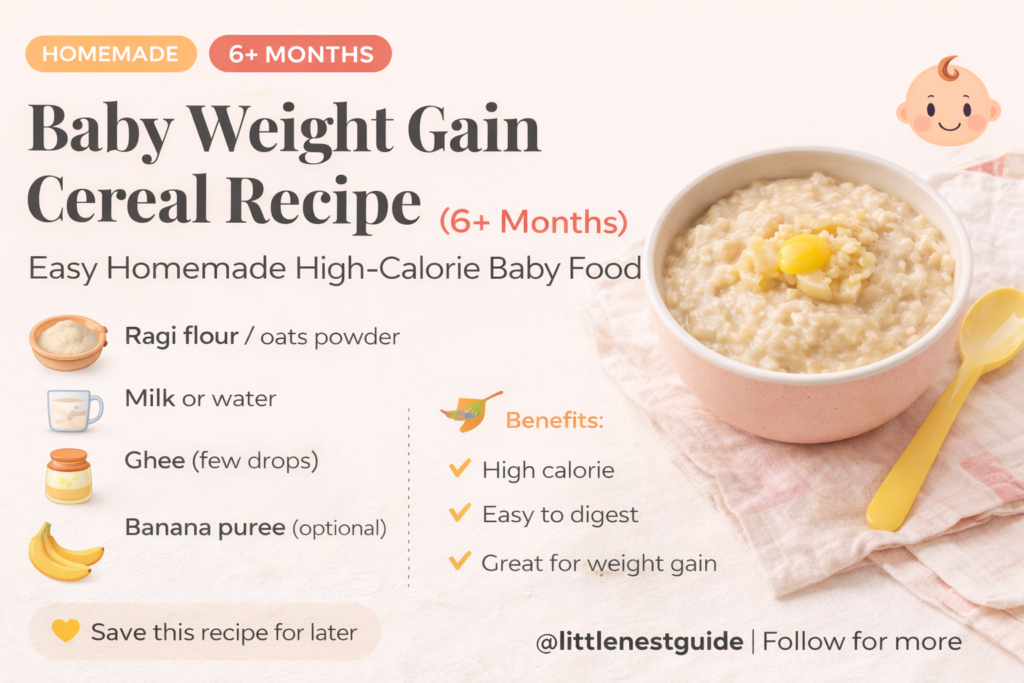
If you’re just starting solids, check our Baby Weight Gain Meal Plan
👉 Save this guide to make feeding time safe, stress-free, and enjoyable!
👶 WHEN TO START SOLID FOODS SAFELY
Most babies are ready for solids around 6 months of age.
Signs your baby is ready:
- Can sit with support
- Shows interest in food
- Has good head control
Always continue breastfeeding or formula feeding alongside solids.
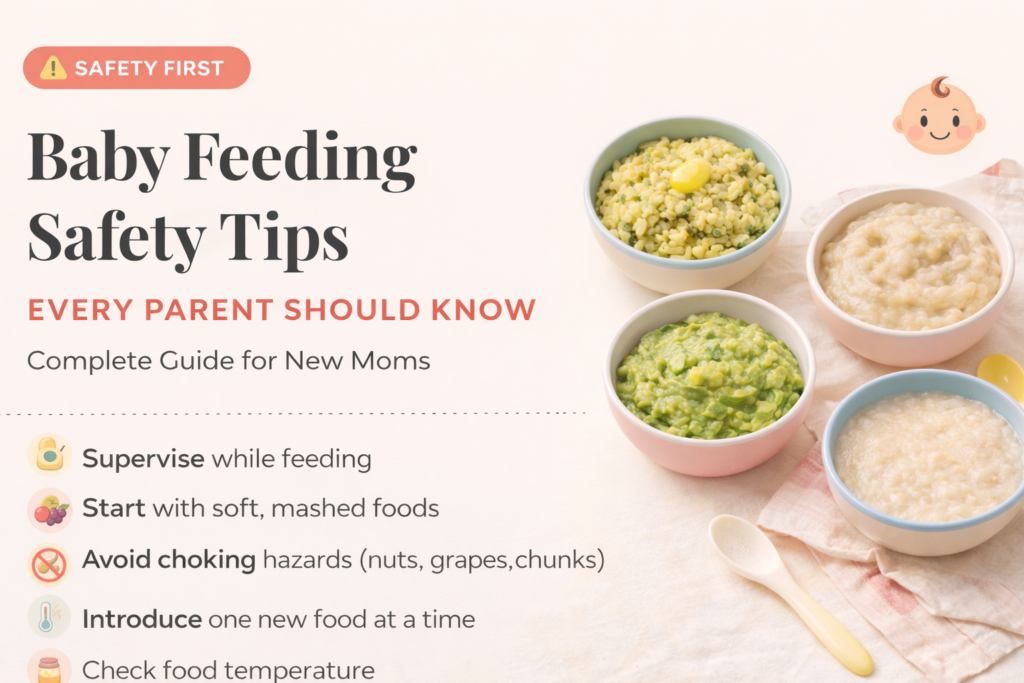
⚠️ 12 BABY FEEDING SAFETY TIPS EVERY PARENT SHOULD KNOW
1. Always Supervise Your Baby While Eating
Never leave your baby alone during meals—even for a few seconds. Constant supervision helps prevent choking and ensures safe feeding.
2. Start with Soft, Mashed Foods
Begin with smooth textures like:
- Purees
- Mashed fruits
- Soft porridge
Avoid hard or chunky foods in the beginning.
3. Avoid Choking Hazards
Some foods can easily cause choking and should be avoided:
🚫 Nuts
🚫 Whole grapes
🚫 Raw carrots
🚫 Large food chunks
👉 Always cut food into small, soft pieces.
4. Keep Your Baby in an Upright Position
Feed your baby while they are:
- Sitting upright
- Supported in a high chair or lap
Avoid feeding while lying down.
5. Introduce One New Food at a Time
Wait 2–3 days before introducing another new food.
This helps you:
- Identify allergies
- Track reactions easily
6. Check Food Temperature Before Feeding
Always test food temperature before giving it to your baby.
👉 Tip: Place a small amount on your wrist—it should feel warm, not hot.
7. Never Give Honey Before 1 Year
Honey can cause infant botulism, which is dangerous for babies under one year.
8. Avoid Adding Salt and Sugar
Babies don’t need added salt or sugar.
Too much can:
- Harm kidneys
- Create unhealthy eating habits
9. Practice Safe Food Preparation
- Wash hands before preparing food
- Use clean utensils
- Store food properly
- Avoid leftover food after long gaps
10. Watch for Allergic Reactions
Common signs include:
- Rashes
- Vomiting
- Swelling
- Breathing issues
👉 If you notice any symptoms, consult a doctor immediately.
11. Avoid Force Feeding
Forcing your baby to eat can:
- Create food aversions
- Increase choking risk
👉 Follow your baby’s hunger cues.
12. Keep Feeding Time Calm and Distraction-Free
Avoid:
- Screens (TV/mobile)
- Loud environments
A calm setting helps your baby focus on eating safely.
🍽️ BONUS: SAFE FEEDING ROUTINE
A simple safe routine:
- Wash hands
- Prepare fresh food
- Seat baby upright
- Feed slowly with supervision
- Clean baby after feeding
⚠️ COMMON FEEDING MISTAKES TO AVOID
- Feeding while baby is lying down
- Giving large food pieces
- Introducing too many foods at once
- Ignoring allergy symptoms
- Using distractions during feeding
💛 FINAL THOUGHTS
Feeding your baby doesn’t have to be stressful. By following these simple safety tips, you can make every meal safe, healthy, and enjoyable.
Remember, every baby is different—take it slow and trust your instincts.
👉 Don’t forget to save this guide for your daily feeding routine!
Loved these tips? Save this pin on Pinterest so you can come back anytime!
💛 Related Guides for You:
- 100+ Rare & Unique Cancer Baby Girl Names (With Meanings)

- Signs You’re Healing Well After Delivery (Normal vs Not) – Complete Guide for New Moms

- Diapering Essentials Checklist for New Moms (Complete Newborn Guide)
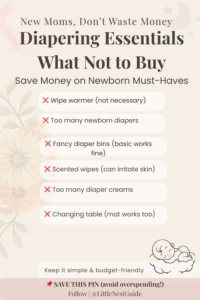
- Diapering Essentials: What NOT to Buy for Your Newborn (Save Money Guide)
- Best Baby First Food List (6–12 Months) | Healthy & Easy Baby Food Guide