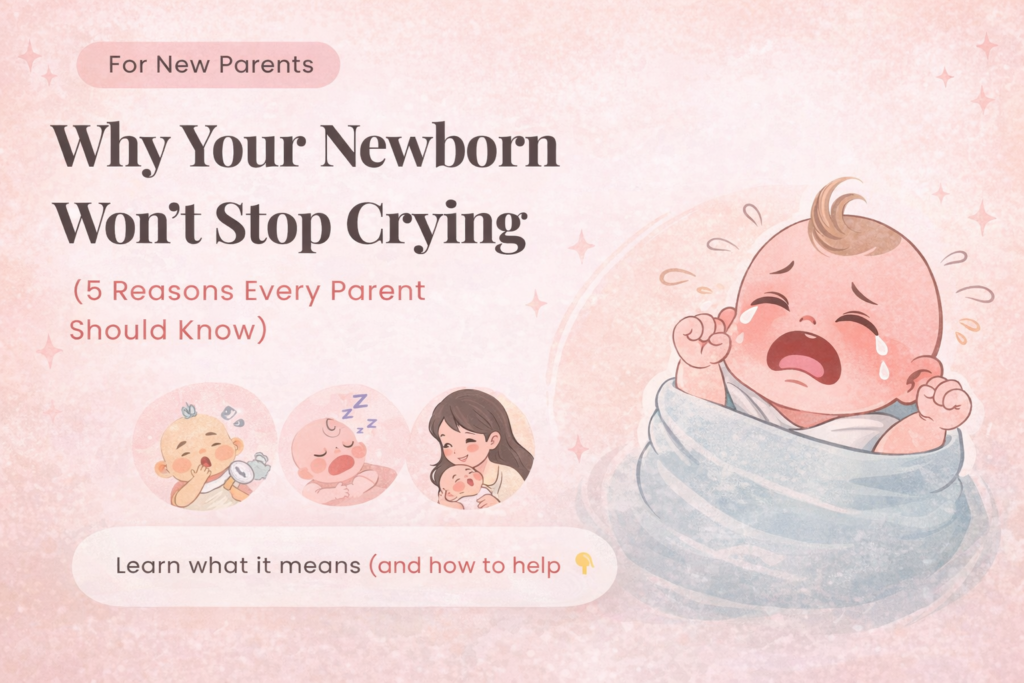
Bringing your newborn home is one of the most beautiful experiences—but it can also feel overwhelming, especially when you’re trying to understand what your baby needs.
One of the most common questions new parents ask is:
👉 “Is my baby hungry or just fussy?”
The truth is, babies don’t start by crying.
They show early hunger cues, and recognizing these signs can make feeding smoother, calmer, and much less stressful.
In this guide, you’ll learn everything you need to know about newborn hunger cues—so you can confidently respond to your baby’s needs.
🍼 What Are Newborn Hunger Cues?
Newborn hunger cues are signals your baby gives to indicate they are ready to feed.
These cues happen in stages:
1. Early hunger cues (calm signals)
2. Active hunger cues (more noticeable)
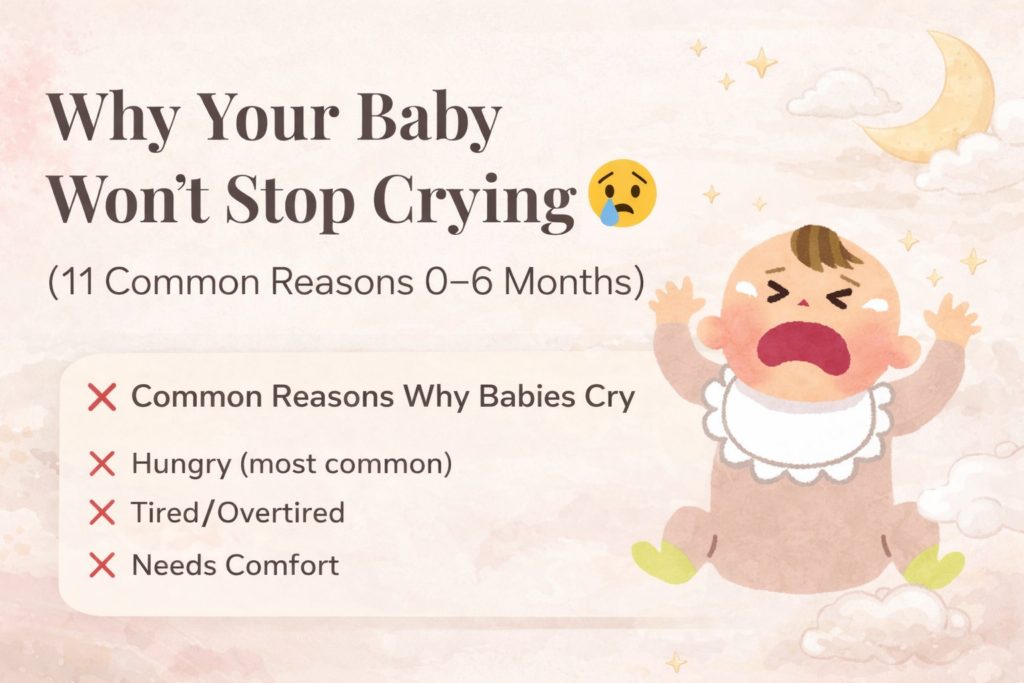
3. Late hunger cues (crying stage)
Understanding these stages helps you:
✔ Feed your baby before they cry
✔ Make feeding more peaceful
✔ Build a natural routine
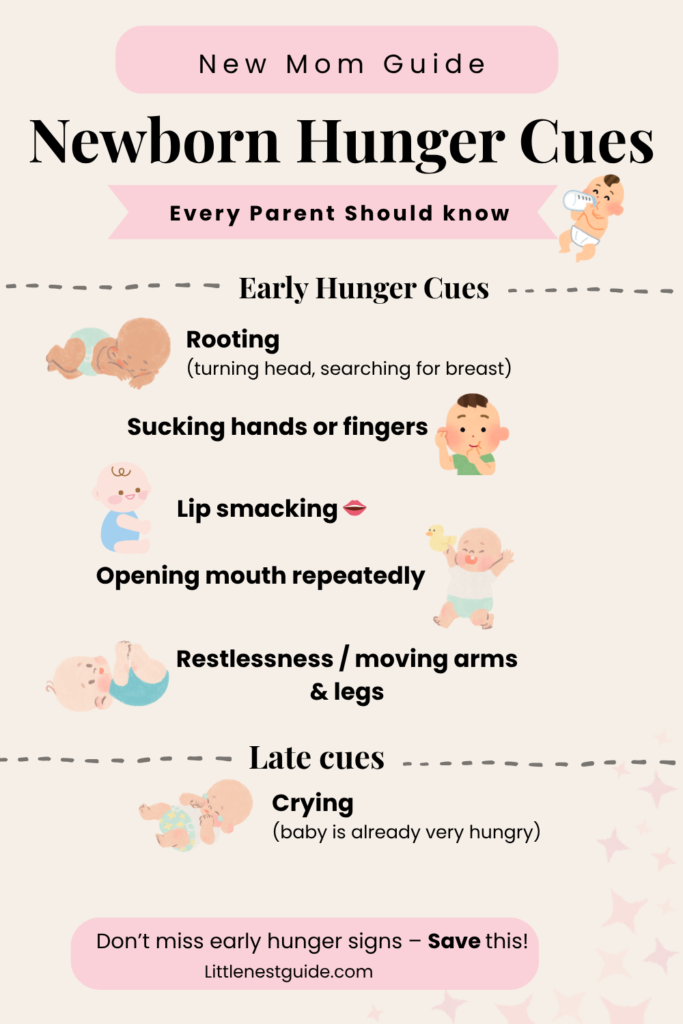
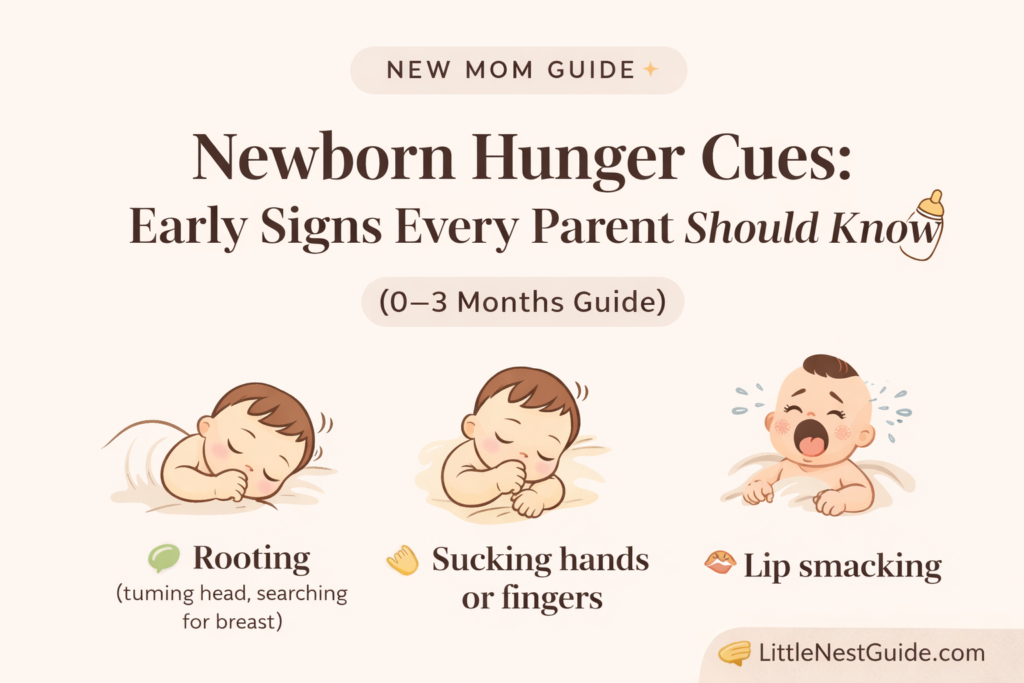
🌼 Early Hunger Cues (Best Time to Feed)
These are the first and most gentle signs that your baby is hungry.
Feeding during this stage is ideal because your baby is calm and ready to eat.
1. Rooting
Your baby turns their head side to side, looking for the breast or bottle. This is one of the earliest signs of hunger.
2. Sucking on Hands or Fingers
Babies may bring their hands to their mouth and start sucking. This is their natural way of trying to satisfy hunger.
3. Lip Smacking
You may notice small sucking sounds or lip movements. These subtle signs are easy to miss but very important.
4. Opening Mouth Repeatedly
Your baby may open and close their mouth as if preparing to latch.
5. Restlessness or Moving Arms & Legs
Your baby becomes slightly more active, moving arms and legs or appearing alert.
👉 Tip:
Always try to feed your baby at this stage for a calm and comfortable feeding experience 💛
⚠️ Active Hunger Cues (Don’t Wait Too Long)
If early cues are missed, your baby will move to more noticeable signals.
These include:
- Fussiness
- Increased movement
- Squirming
- Faster breathing
- Trying to latch onto anything nearby
👉 At this stage, your baby is getting hungrier, so it’s best to feed as soon as possible.
🚨 Late Hunger Cue: Crying
Crying is the last stage of hunger.
By this time:
- Your baby is upset
- Feeding becomes more difficult
- Latching may be harder
👉 Try to avoid reaching this stage by responding to early cues.
If your baby is already crying:
- Calm them first (hold, rock, or soothe)
- Then begin feeding
⏰ How Often Should You Feed a Newborn?
Most newborns need feeding:
👉 Every 2–3 hours
👉 Around 8–12 times a day
However, every baby is different.
✔ Some babies may feed more frequently
✔ Some may take longer breaks
👉 Always follow your baby’s hunger cues instead of strictly watching the clock.
💡 Helpful Tips for New Parents
✔ Watch your baby, not just the time
✔ Learn your baby’s unique signals
✔ Practice skin-to-skin contact (helps bonding & cue recognition)
✔ Stay calm during feeding
✔ Create a quiet, comfortable feeding space
❌ Common Mistakes to Avoid
🚫 Waiting until your baby cries to feed
🚫 Ignoring early hunger signs
🚫 Confusing sleep cues with hunger
🚫 Overfeeding when baby is not hungry
🚫 Forcing feeding when baby is upset
❤️ Final Thoughts
Understanding your newborn’s hunger cues is one of the first steps toward confident parenting.
The more you observe your baby, the easier it becomes to recognize their needs.
With time, you’ll naturally understand their signals—and feeding will become a peaceful, bonding experience 💛
📌 Save This for Later
👉 Save this guide for your newborn routine
👉 Share it with a new mom who might find it helpful