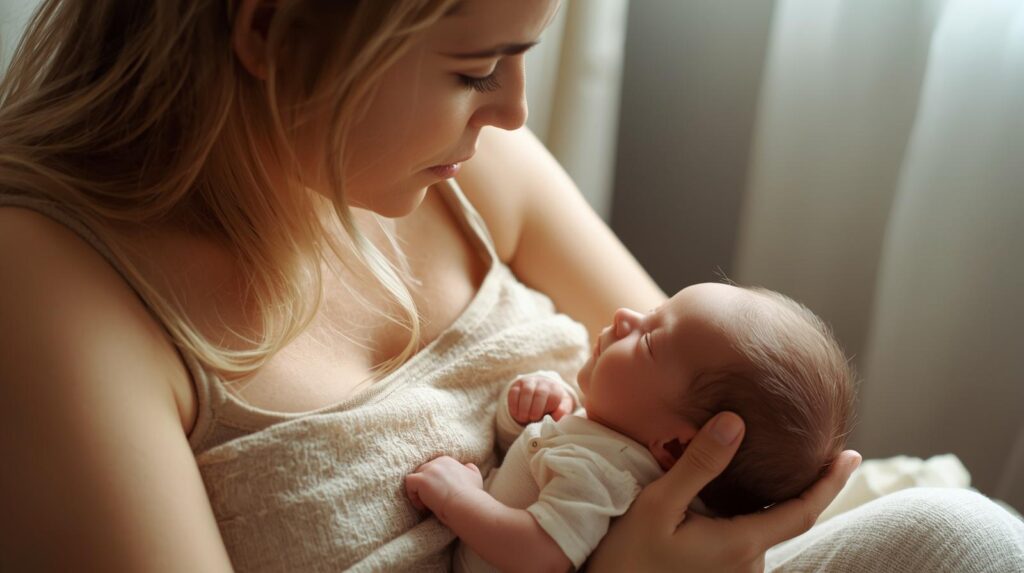
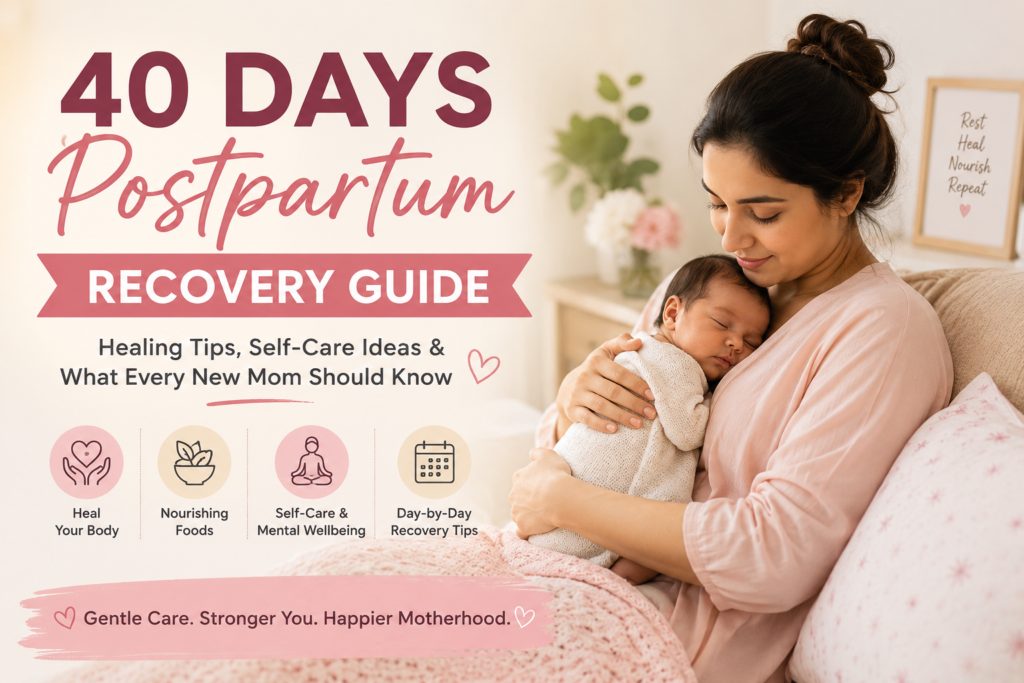
The first 40 days after childbirth are often described as one of the most important healing periods in a mother’s life. While everyone focuses on the newborn baby, many new moms quietly go through physical pain, emotional changes, exhaustion, and major lifestyle adjustments. This phase, commonly called the “fourth trimester,” is a time when your body slowly recovers from pregnancy and delivery while you learn how to care for your newborn.
Whether you had a vaginal birth or C-section delivery, postpartum recovery takes time, patience, and support. Your body has gone through incredible changes over the past nine months, and healing does not happen overnight. From hormonal shifts and sleepless nights to breastfeeding challenges and emotional ups and downs, every mother experiences postpartum recovery differently.
In many cultures, especially in traditional Indian postpartum care, the first 40 days are treated as a sacred recovery period focused on rest, nourishing foods, warmth, and support from family members. Proper postpartum care can help improve healing, restore energy, support breastfeeding, and protect a new mom’s emotional well-being.
This complete 40 days postpartum recovery guide will help you understand what to expect week by week, how to care for your body naturally, postpartum self-care tips, warning signs to watch for, and simple ways to make your recovery journey smoother and healthier.
Table of Contents
Why the First 40 Days After Birth Matter
The first 40 days after delivery are important for physical healing, emotional recovery, and adjusting to motherhood. During this time, your body is recovering from pregnancy and childbirth while caring for a newborn.
Many traditional cultures, especially Indian postpartum care practices, encourage rest, nourishing foods, hydration, and support during this period. Whether you had a vaginal delivery or C-section, prioritizing recovery can help you regain strength slowly and safely.
What Happens to Your Body After Delivery?
After childbirth, your body goes through several changes as it heals.
Common postpartum symptoms include:
- Bleeding and discharge (lochia)
- Breast fullness or soreness
- Fatigue and body pain
- Mood swings due to hormonal changes
- Swelling and water retention
- Cramps as the uterus shrinks
- Difficulty sleeping
These changes are usually normal, but recovery looks different for every mom.
Wondering which postpartum symptoms are normal and which may need medical attention? Read our complete guide on Signs You’re Healing Well After Delivery (Normal vs Not) to better understand your recovery journey.
Week-by-Week Postpartum Recovery Guide
Days 1–7: Rest and Gentle Healing
The first week after delivery is all about rest and recovery.
What You May Experience
- Heavy bleeding
- Perineal soreness or C-section pain
- Exhaustion
- Breast engorgement
- Emotional ups and downs
Recovery Tips
- Sleep whenever possible
- Drink warm water and stay hydrated
- Eat soft, nourishing meals
- Avoid lifting heavy objects
- Use pillows for breastfeeding support
- Accept help from family and friends
Best Foods During This Stage
- Khichdi
- Moong dal soup
- Ajwain water
- Warm milk with turmeric
- Gond laddus in moderation
These traditional foods may help support healing and energy levels.
Days 8–14: Slowly Regaining Strength
By the second week, you may start feeling slightly better, but your body still needs rest.
Focus On
- Gentle movement
- Healthy digestion
- Breastfeeding support
- Emotional care
Helpful Habits
- Take short walks indoors
- Continue iron-rich foods
- Eat protein-rich meals
- Practice deep breathing
- Limit visitors if you feel overwhelmed
Breastfeeding Support Tips
Feed frequently, drink enough fluids, and include lactation-supporting foods like oats, fennel, methi seeds, and ragi.
Days 15–21: Building a Simple Routine
Around the third week, many moms begin adjusting to newborn life.
You Might Notice
- Reduced bleeding
- Better mobility
- More confidence with baby care
- Sleep deprivation catching up
Self-Care Tips
- Take a quick shower daily
- Spend a few minutes outdoors
- Ask your partner for support
- Avoid comparing yourself to other moms
Remember, healing is not a race.
Days 22–30: Focus on Emotional Recovery
Hormonal changes and lack of sleep may affect your mood during this stage.
Common Emotional Changes
- Feeling overwhelmed
- Irritability
- Crying easily
- Anxiety about motherhood
What Helps
- Talking to supportive people
- Resting without guilt
- Eating regular meals
- Staying hydrated
- Taking breaks when possible
If sadness feels intense or lasts longer than two weeks, speak with a healthcare professional.
Days 31–40: Transitioning Into the Fourth Trimester
By the final stage of the first 40 days, your body may feel stronger, but recovery still continues.
Focus On
- Balanced nutrition
- Gentle exercise (if approved by doctor)
- Emotional wellness
- Better sleep habits
Gentle Activities
- Stretching
- Short walks
- Pelvic floor exercises
- Light household tasks
Avoid rushing back into intense workouts or overworking yourself too soon.
Essential Postpartum Recovery Guide
1. Prioritize Rest
Your body heals while resting. Even short naps can help restore energy.
2. Eat Nourishing Foods
Choose warm, comforting foods rich in:
- Iron
- Protein
- Healthy fats
- Fiber
- Calcium
3. Stay Hydrated
Hydration is important for healing and breastfeeding support.
Try:
- Coconut water
- Soups
- Herbal drinks
- Warm water
4. Ask for Help
New moms need support too. Let others help with cooking, cleaning, or holding the baby while you rest.
5. Avoid Pressure to “Bounce Back”
Your body created and delivered a baby. Recovery takes time.
Indian Postpartum Care Traditions
Many Indian postpartum practices focus on warmth, healing foods, and rest.
Common traditions include:
- Oil massage
- Belly binding
- Ajwain water
- Panjiri and gond laddus
- Herbal baths
- Warm meals and spices
While traditions vary by family and region, many moms find comfort in these nurturing practices.
Postpartum Recovery Essentials
Here are a few helpful postpartum essentials:
- Nursing bras
- Maternity pads
- Peri bottle
- Comfortable cotton clothes
- Heating pad
- Water bottle
- Nipple cream
- Feeding pillow
Simple comfort items can make recovery easier during the first few weeks.
Signs You Should Contact a Doctor
While many postpartum symptoms are normal, seek medical help if you experience:
- Heavy bleeding with large clots
- Fever
- Severe pain
- Difficulty breathing
- Chest pain
- Signs of infection
- Extreme sadness or hopelessness
Never ignore symptoms that feel unusual or severe.
Common Postpartum Challenges New Moms Face
Every postpartum journey is different, but many new mothers experience similar challenges during the first few weeks after delivery.
1. Sleep Deprivation
Newborn babies wake frequently for feeding, diaper changes, and comfort. Lack of sleep can affect both physical healing and emotional health. Even short naps during the day may help your body recover better.
2. Breastfeeding Difficulties
Some moms experience sore nipples, low milk supply worries, or difficulty helping baby latch properly. Remember that breastfeeding is a learning process for both mother and baby.
3. Emotional Ups and Downs
Hormonal changes, exhaustion, and adjusting to motherhood can feel overwhelming. It is completely normal to experience moments of frustration, anxiety, or sadness during postpartum recovery.
4. Physical Weakness
Your body needs time to regain strength after childbirth. Simple tasks may feel exhausting in the beginning, especially if you are recovering from a C-section or dealing with interrupted sleep.
A Gentle Reminder for New Moms
Motherhood can feel joyful, exhausting, emotional, and overwhelming all at once. The first 40 days are not about perfection — they are about healing, bonding, and adjusting slowly.
Give yourself grace during this season. Rest when you can, nourish your body, and remember that recovery takes time.
You are healing while learning to care for a brand-new life — and that is already enough.
FAQs
How long does postpartum recovery take?
Postpartum recovery is different for every mom. While the first 40 days are important for healing, complete recovery may take several months.
What should I avoid during postpartum recovery?
Avoid heavy lifting, intense exercise, skipping meals, dehydration, and overexertion during the early postpartum weeks.
Which foods are best for postpartum recovery?
Warm, nourishing foods rich in protein, iron, and healthy fats are helpful. Traditional Indian postpartum foods like khichdi, panjiri, ajwain water, and gond laddus are commonly included.
Is it normal to feel emotional after giving birth?
Yes, hormonal changes, lack of sleep, and adjusting to motherhood can cause emotional ups and downs. However, persistent sadness or anxiety should be discussed with a healthcare professional.
When can I start exercising after delivery?
Light walking may begin earlier if approved by your doctor, but intense exercise should usually wait until your postpartum check-up.
What is the fourth trimester?
The fourth trimester refers to the first three months after childbirth, when both mom and baby are adjusting physically and emotionally.
Final Thoughts
The postpartum period is a journey of healing, learning, and adjusting to a completely new phase of life. Some days may feel joyful and magical, while others may feel exhausting and emotional. Both experiences are normal.
The most important thing to remember during these first 40 days is that recovery takes time. Your body does not need to “bounce back” immediately. Instead, focus on rest, nourishment, hydration, emotional support, and bonding with your baby.
Be gentle with yourself during this season of motherhood. Small steps, daily care, and patience can help make postpartum recovery smoother and healthier for both mom and baby.
You May Also Like
- 20 Easy Baby Breakfast Ideas for 6–12 Months

- 200+ Vintage Baby Girl Names With Beautiful Meanings

- 30 Kids Party Food Ideas Everyone Will Love

- 100+ Vintage Baby Boy Names With Cool Meanings

- Storage Tips for Homemade Baby Food: A Safe & Easy Guide for Parents

- 100+ Cultural & Modern Dhanu Rashi Baby Boy Names With Wonderful Meanings